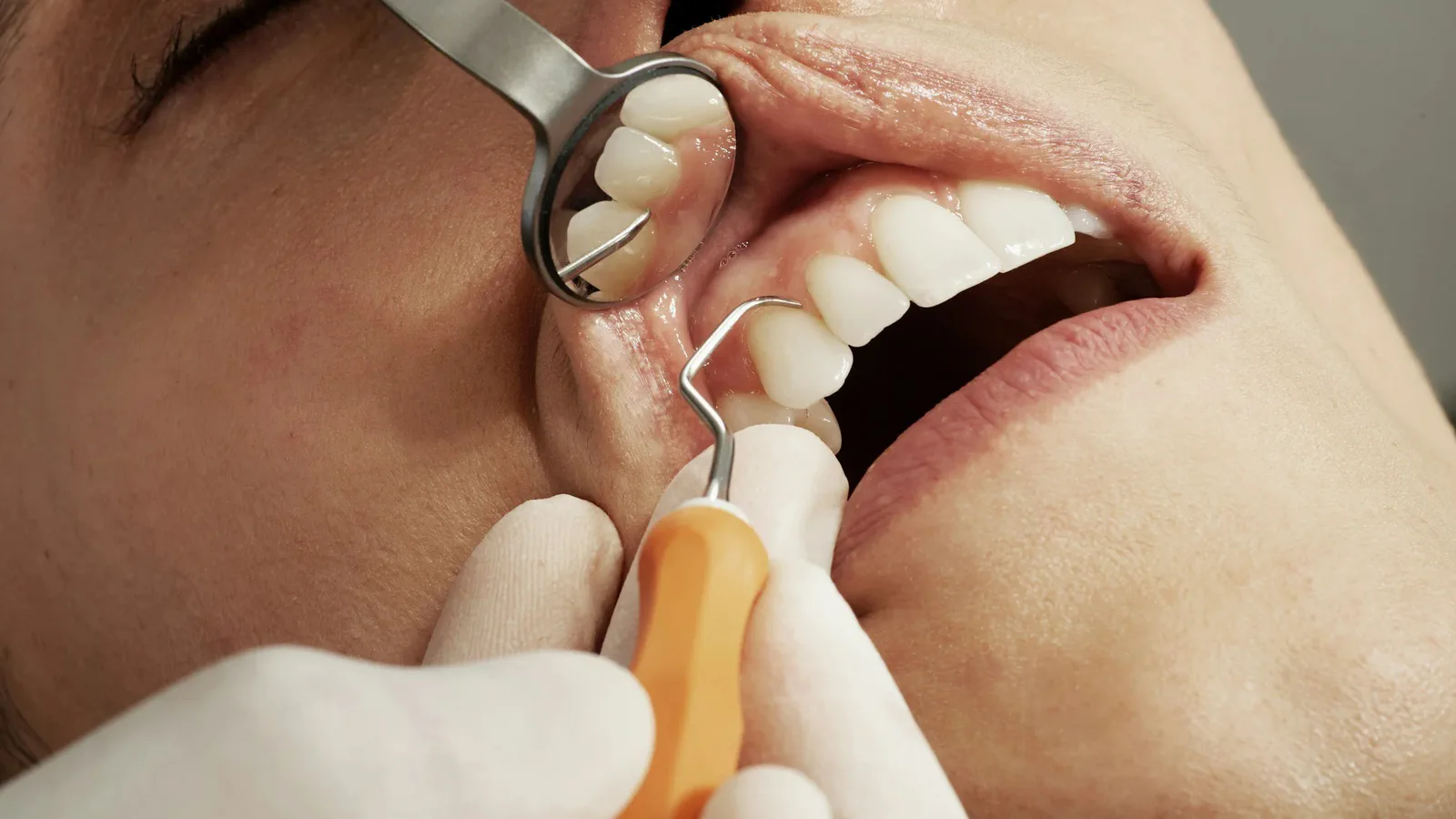
Healthy gums are the foundation of healthy teeth. Gum disease is a serious condition that can lead to tooth loss if untreated, but with professional care and good home habits, we can stop it in its tracks and restore your gum health.
Understanding Gum Disease
Gum disease develops when plaque and tartar build up on your teeth, irritating the tissues that hold your teeth in place. There are two main stages:
Gingivitis — Inflammation of the gums caused by plaque buildup. Signs include red, swollen, or bleeding gums. Gingivitis is reversible with professional treatment and improved home care.
Periodontitis — Advanced gum disease where the infection spreads below the gum line, damaging bone and connective tissue. This stage causes gum recession, loose teeth, and eventual tooth loss if untreated.
Signs You May Have Gum Disease
- Red, swollen, or tender gums
- Gums that bleed when you brush or floss
- Persistent bad breath
- Gum recession (teeth look longer)
- Loose teeth
- Pus between teeth and gums
Don’t ignore these signs. Early treatment is much more effective than waiting for advanced disease.
Our Gum Disease Treatment
Scaling and Root Planing
This is our primary non-surgical treatment for gum disease:
- Scaling — We remove tartar and plaque from the tooth surface and just below the gum line using ultrasonic scalers and hand instruments
- Root planing — We smooth the root surface to help gums reattach to the tooth and prevent future buildup
- Local anaesthetic — We numb the area so you’re comfortable throughout the procedure
Treatment typically takes 2-4 appointments depending on severity. After treatment, your gums should start to heal within a few weeks.
Home Care is Essential
Professional treatment removes existing tartar and bacteria, but it’s your responsibility to keep it from coming back. This means:
- Brushing twice daily with a soft-bristled toothbrush
- Flossing or using interdental brushes daily
- Using an antimicrobial mouthwash if recommended
- Avoiding tobacco and minimising alcohol
- Eating a diet low in sugar and high in nutrients
Long-term Gum Health
Once we’ve treated your gum disease, we’ll recommend ongoing maintenance visits (usually every 3-4 months) to monitor your gums, remove any new tartar buildup, and catch problems early.
Prevention is the Best Medicine
Gum disease is largely preventable through good oral hygiene and regular professional care. Starting with a healthy mouth is easier than treating advanced disease.
Related Services
Gum disease often starts with inadequate home care — regular check-ups and cleans are your best defence. If gum disease has led to tooth loss, we offer dental implants, bridges, and dentures to restore your smile.
Concerned about your gum health? Call us on 02 4936 2011 or book online. Early treatment makes all the difference.