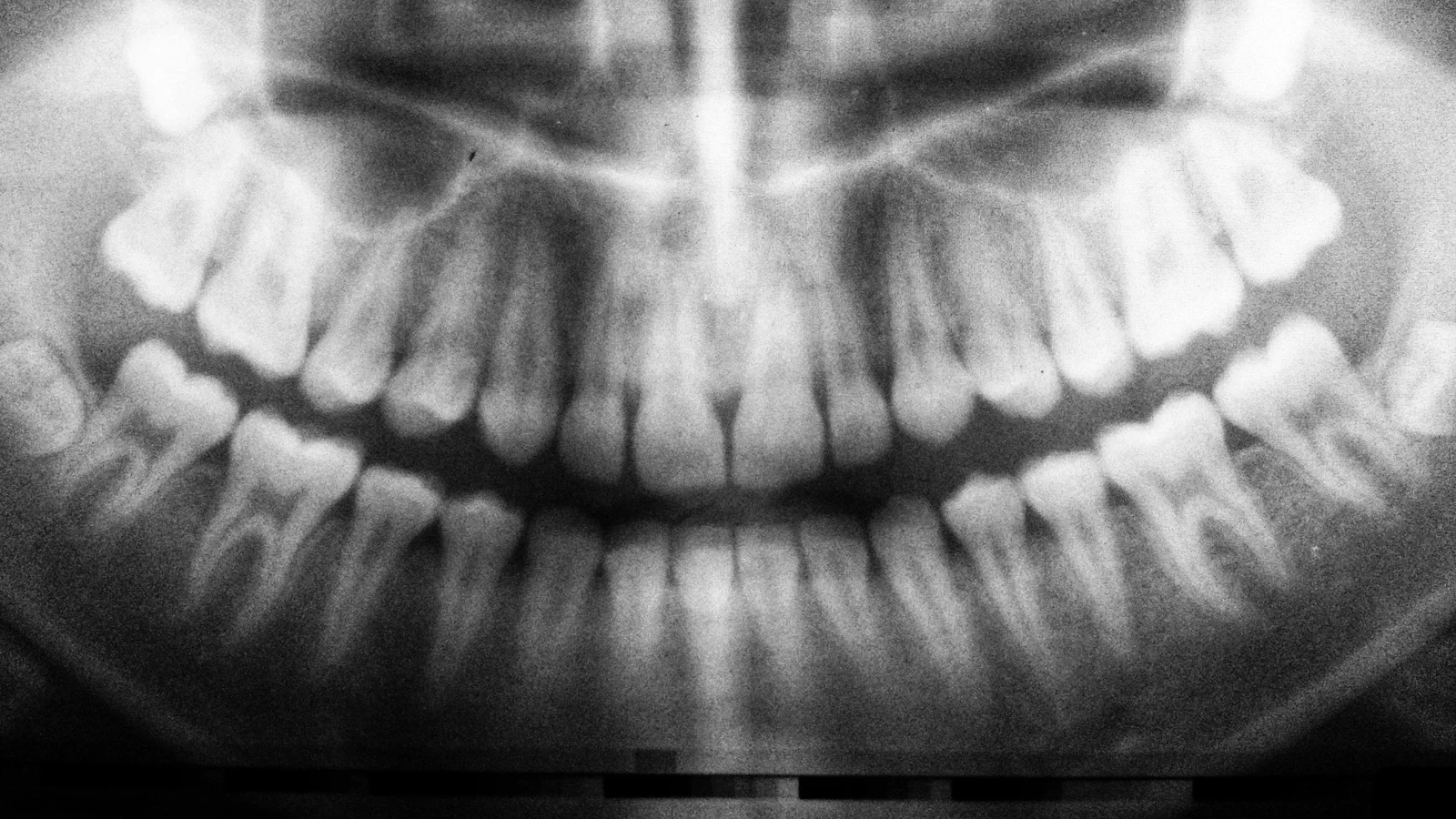
Wisdom teeth are your third molars, usually the last teeth to erupt. While some people have room for them, many don’t—leading to crowding, decay, infection, or impaction. Our dentists have extensive experience safely removing wisdom teeth using modern surgical techniques.
When Do Wisdom Teeth Need Removal?
Not all wisdom teeth need removal. We recommend extraction if:
- Impaction — The tooth is stuck in bone or gum and cannot erupt properly
- Crowding — There’s not enough space, causing the tooth to erupt at an angle, damaging adjacent teeth
- Decay — The wisdom tooth is decayed and cannot be restored
- Gum disease — The tooth causes persistent gum infection or periodontal disease
- Cyst formation — A fluid-filled cyst develops around an impacted tooth
- Orthodontic reasons — Removal is necessary as part of orthodontic treatment
Why Remove Wisdom Teeth Early?
We often recommend removal when wisdom teeth are still in the teen years or early twenties, before the roots fully develop. This is because:
- Younger patients heal faster
- Roots are not fully formed, making extraction easier
- Problems like impaction or decay can be prevented
- Recovery is generally smoother
However, removal can be done at any age if problems develop.
Our Wisdom Tooth Removal Process
Consultation and X-rays — We take digital X-rays to assess the position and complexity of your wisdom teeth and plan the best approach.
Local anaesthetic — We numb the area thoroughly so you feel no pain during extraction.
Removal — We carefully extract the tooth, sometimes dividing it into smaller pieces if necessary to minimise bone removal.
Closure — We may place stitches if necessary, and apply gauze to control bleeding.
Aftercare instructions — We provide detailed instructions on rest, ice, pain management, diet, and activity restrictions.
Managing Discomfort
You’ll experience some soreness and swelling after extraction—this is normal and expected. We recommend:
- Ice for the first 24 hours (20 minutes on, 20 minutes off)
- Heat after 24 hours if swelling persists
- Over-the-counter pain relief (paracetamol or ibuprofen)
- Rest and elevation
- Soft foods for the first few days
- Avoiding drinking through straws, smoking, or vigorous rinsing
Happy Gas for Anxious Patients
Nervous about extraction? We offer Happy Gas (nitrous oxide) to help you relax during the procedure. The effects wear off completely, and you can drive home immediately after treatment.
Recovery Timeline
First 24 hours — Significant swelling and some bleeding (normal). Rest and ice.
Days 2-3 — Swelling peaks, then begins to subside. Pain usually manageable with medication.
Days 4-7 — Swelling decreases, discomfort lessens. Most people return to normal activities.
1-2 weeks — Most healing is complete. Avoid strenuous activity for a full week.
3-6 months — Complete bone healing occurs.
Related Services
If you need other teeth removed, see our extractions page. For replacing missing teeth after extraction, consider dental implants or bridges. If you need orthodontic work, wisdom tooth removal is often part of an Invisalign or braces treatment plan.
Do you need wisdom teeth removed? Call us on 02 4936 2011 or book online for a consultation. We’ll assess your teeth and discuss options.